The Role of Influencers in Full-Funnel Marketing Strategies: A UAE Guide
How UAE brands can use influencer content across awareness
Learn how UAE brands can use influencers across the full marketing funnel, from awareness and consideration to conversion, retention, and customer advocacy
Most UAE brands use influencers at the top of the funnel and call it a strategy. The brands consistently outperforming them are using creators at every stage from first impression to repeat purchase.
There is a persistent myth in UAE marketing that influencer campaigns are awareness tools. You run them to get seen. You run paid ads to get sales. And the two operate in separate budget lines, serving separate purposes.
That model made sense in 2019. It does not make sense in 2026 and the brands still operating that way are leaving a significant amount of measurable revenue on the table.
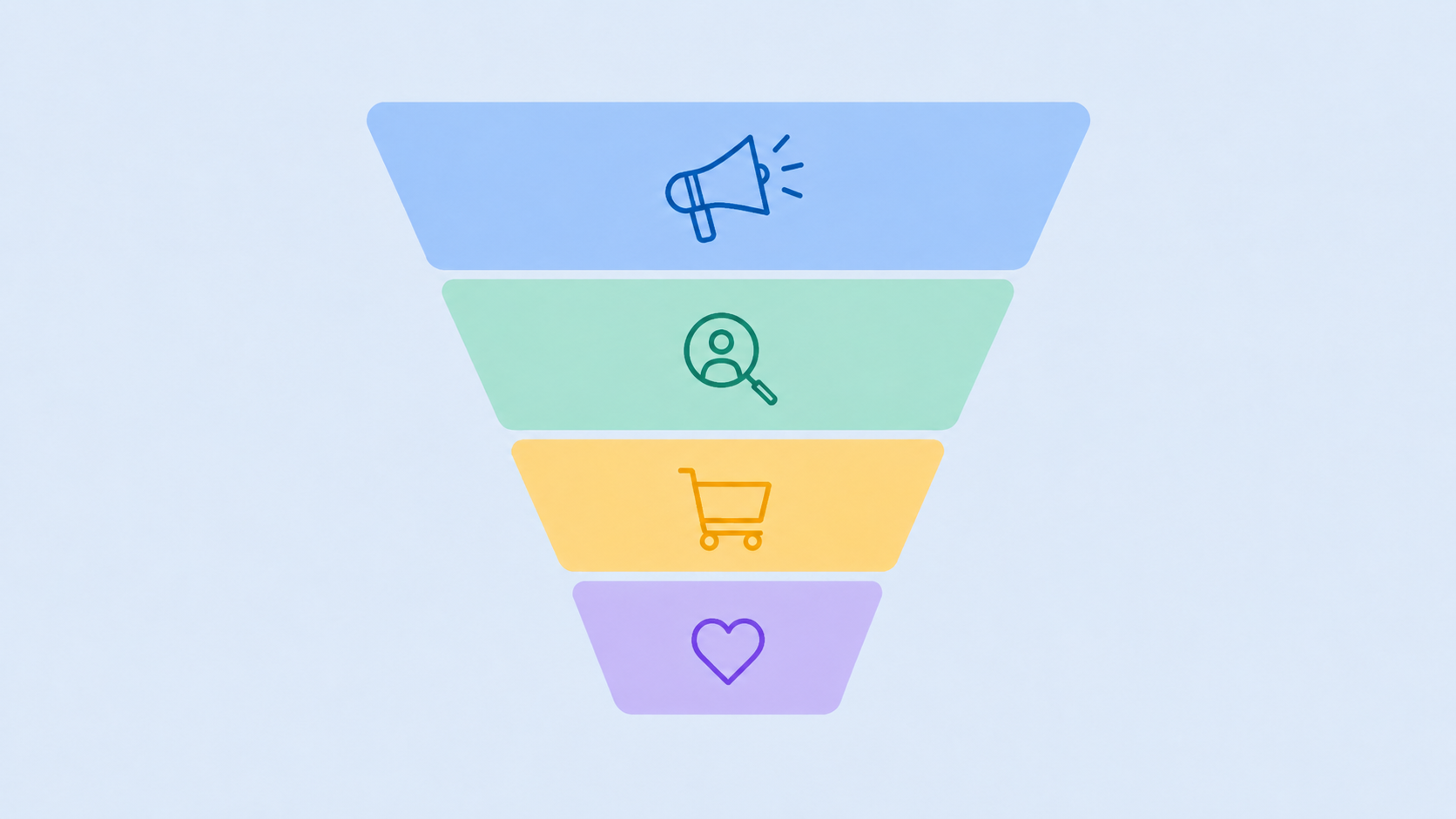
The shift is documented in the data. Brands that integrate creator content across every customer touchpoint, product pages, email campaigns, paid ads, checkout experiences, and post-purchase communication consistently outperform those treating influencer marketing as a standalone awareness channel. Influencers are no longer just top-of-funnel promoters. They are now effective across the entire customer journey, from awareness through conversion and into advocacy. Here is how that plays out stage by stage in the UAE.
Top of Funnel - Awareness: Get Seen by the Right People
At the awareness stage, the influencer's job is reach. Getting your brand in front of people who have never heard of it, delivered through a voice they already trust.
In the UAE, this means macro-influencers (100K–500K followers) and mid-tier creators whose audiences match your target demographic. The content format at this stage is high-impact and low-friction; Reels, TikTok videos, YouTube Shorts designed to stop the scroll and create an initial brand impression. The brief here is not about your product features. It is about your brand world: what it looks like, who it is for, what it stands for.
The metric at this stage is reach and brand search volume lift. Avoid measuring awareness campaigns against conversion metrics, you will misread their value. A consumer who sees your brand once through an influencer they trust has been meaningfully primed, even if they do not buy that day. In the UAE, where the average consumer touches a brand six to eight times before purchasing, awareness is not a vanity goal. It is a prerequisite.
Mid Funnel Consideration: Build the Trust That Converts
This is where most influencer campaigns end and where the most valuable work actually begins.
At the consideration stage, your potential customer knows you exist. They are evaluating whether to trust you. This is the stage where creator content is most commercially powerful: 79% of consumers globally say they trust influencer recommendations when considering a purchase. And the format that works here is completely different from the top of funnel. Longer-form content, YouTube reviews, tutorial videos, detailed Instagram carousels, product comparisons is where consideration is built.
In the UAE, micro-influencers (10K–100K followers) are the engine of this stage. Their audiences are smaller but more engaged, their recommendations carry higher personal credibility, and their content tends to attract the audiences already actively researching. A beauty creator in Dubai walking through a twelve-step routine and explaining why she genuinely prefers one serum over another is doing conversion work that no paid ad can replicate because the trust is personal, not purchased.
The metric at this stage is engagement quality: saves, shares, comment depth, time on site from creator links, and critically return visit rate from influencer-sourced traffic.
Bottom of Funnel Conversion: Remove the Last Obstacle to Purchase
By the time a customer reaches the conversion stage through a well-structured influencer funnel, much of the persuasion work is already done. Your job here is to remove friction.
Influencer content at the bottom of the funnel is conversion-optimised: promo codes, limited-time offers, direct product links, in-video checkout demonstrations, TikTok Shop or Instagram Shopping integrations. The right creator at this stage is a nano or micro-influencer whose community is tight enough that a specific call to action feels like a personal recommendation rather than a promotional mechanism.
The metric here is straightforward: attributed revenue, promo code redemptions, and cost per acquisition compared to other channels. Structuring compensation as partly performance-linked at this stage aligns creator incentives with brand outcomes — and consistently produces better conversion content than flat-fee briefs.
Post-Purchase Advocacy: Turn Customers into Creators
The most underutilised stage of the influencer funnel in the UAE is the one that comes after the sale. Loyalty content, user-generated content reposts, ambassador programmes, and referral mechanics transform satisfied customers into brand advocates which is, functionally, the most efficient and credible form of influencer marketing that exists.
Brands that use creator content to onboard new customers welcome email sequences featuring creator-made tutorials, post-purchase Stories featuring product use cases report meaningfully higher 90-day retention rates. In the GCC, where word-of-mouth carries disproportionate commercial weight, a retained, vocal customer is worth more than any single campaign post.
Tikit is one of the UAE's top influencer marketing agencies, specialising in full-funnel creator strategies that move audiences from awareness to advocacy. Our team builds structured influencer programmes for brands across Dubai, Abu Dhabi, Saudi Arabia, and the wider GCC matching the right creators to every stage of the customer journey, tracking performance at each touchpoint, and ensuring influencer content works as hard at the bottom of the funnel as it does at the top. If you are ready to move beyond one-off campaigns and build a system that drives consistent revenue.
Written by
Bushra Shahid