21 avr. 2026
L'avenir du marketing des médias sociaux aux Émirats arabes unis (Guide 2026)
L'avenir du marketing des médias sociaux aux Émirats arabes unis : tendances, stratégies et perspectives pour 2026 et au-delà
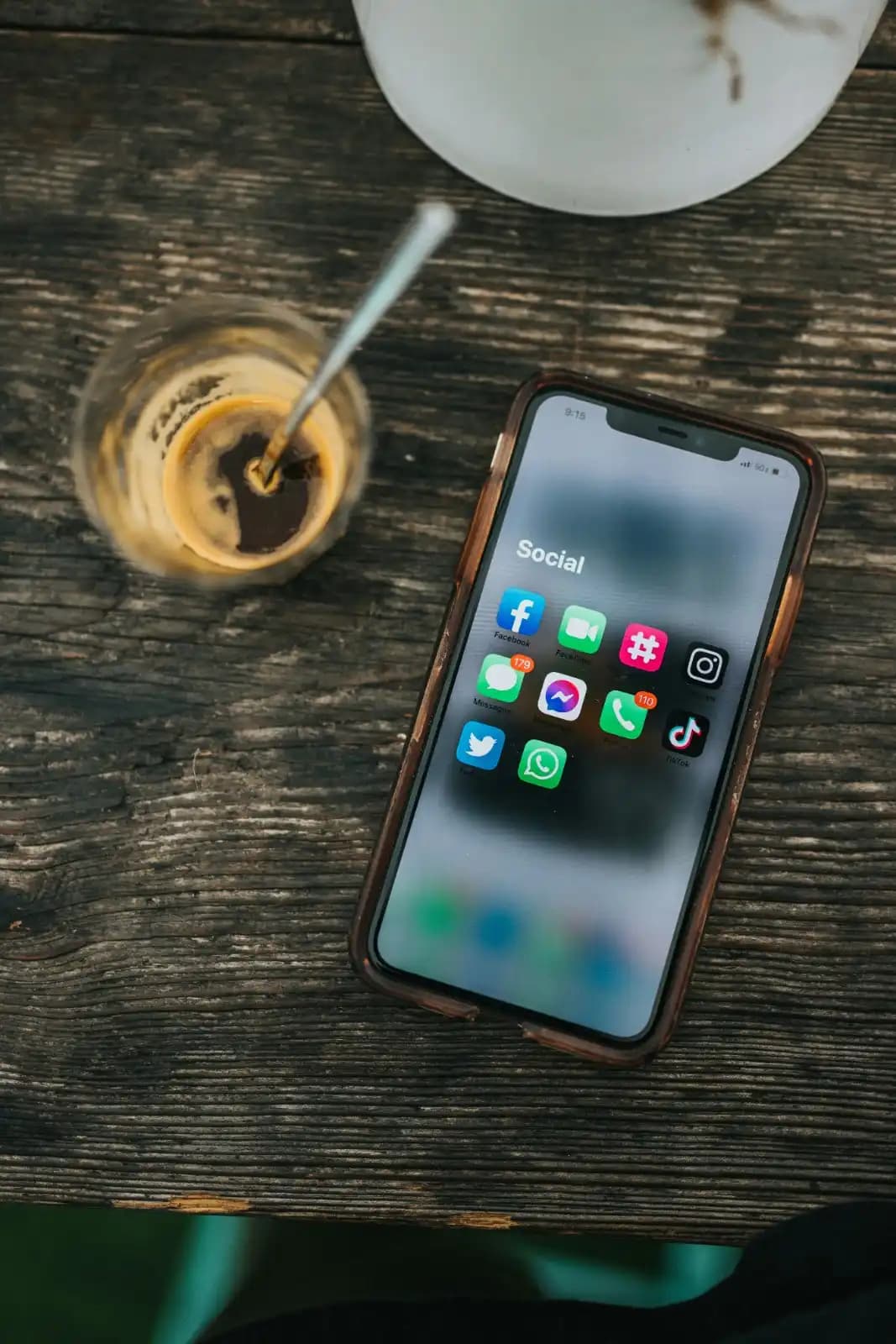
The future of social media marketing in UAE belongs to brands that execute faster, personalize deeper, and adapt smarter than competitors. AI-driven personalization, short-form video dominance, and performance-focused strategies are reshaping how attention converts into revenue.
The UAE market moves fast because consumers expect instant value and seamless digital experiences. Businesses that hesitate lose visibility, while brands that experiment and optimize aggressively capture market share. Social media now operates as a revenue engine, not a branding accessory.
Why Social Media Marketing is Critical in the UAE?
Social media dominates consumer attention across every major demographic segment in the UAE. Brands that ignore this channel willingly surrender market share to faster-moving competitors.
The UAE ecosystem creates massive opportunity because:
- Smartphone usage exceeds global averages across segments
- Diverse audiences demand culturally adaptive messaging
- E-commerce adoption continues scaling aggressively
- Government initiatives accelerate digital transformation
Key Insight
Social media functions as a full revenue pipeline from awareness to conversion to retention. Companies that treat it as optional consistently underperform against data-driven competitors.
Top Trends Shaping the Future of Social Media Marketing in UAE
Market leaders win because they track trends early and execute faster than slower competitors. These trends define how attention, trust, and revenue will be captured moving forward.
1. AI-Driven Personalization
Artificial Intelligence removes guesswork and replaces it with precision targeting and scalable execution. Brands now deliver the right message to the right user at the exact moment.
AI systems process behavioral data, predict intent, and optimize campaigns continuously without manual intervention. This creates compounding advantages over time.
Key Applications:
- Predictive content recommendations that increase engagement rates
- Chatbots delivering instant, consistent customer support responses
- Automated ad targeting improving conversion efficiency
Example:
A UAE retail brand leverages AI to recommend products based on browsing patterns and purchase history. Conversion rates increase because relevance eliminates friction in decision-making.
2. Rise of Short-Form Video Content
Short-form video dominates attention because it delivers value quickly and efficiently. Users scroll fast, decide faster, and engage only with compelling content.
This format aligns perfectly with mobile-first consumption behaviors across the UAE market. Brands that fail to adapt lose visibility almost immediately.
Why it matters:
- Algorithms prioritize high-retention video content consistently
- Mobile users prefer quick, digestible information formats
- Storytelling becomes faster, sharper, and more impactful
Best Practices:
- Capture attention within the first three seconds immediately
- Leverage trending audio to amplify organic reach
- Prioritize authenticity over overproduced content
Execution speed matters more than perfection in this environment. Consistency compounds results faster than occasional viral success.
3. Influencer Marketing Evolution
Influencer marketing shifts toward performance metrics instead of vanity metrics. Brands now prioritize engagement quality over follower quantity.
Micro and nano influencers outperform larger creators in trust, relatability, and conversion efficiency. This shift creates more scalable and cost-effective campaigns.
Type of Influencer | Followers | Benefit |
Mega Influencers | 1M+ | Massive reach |
Micro Influencers | 10K–100K | High engagement |
Nano Influencers | <10K | Strong trust |
Smaller creators build stronger audience relationships, which translates into higher conversion rates for brands. Strategic partnerships outperform one-off promotions consistently.
4. Social Commerce Expansion
Social commerce eliminates friction between discovery and purchase by integrating transactions directly into social media platforms. Users no longer need to leave the app to complete purchases.
This shift increases conversion rates because it removes unnecessary steps from the buying journey. Convenience directly drives revenue growth.
Features Driving Growth:
- In-app checkout simplifying purchase completion
- Shoppable posts reducing decision friction
- Live commerce increasing urgency and engagement
Use Case:
A Dubai-based fashion brand enables direct purchases through Instagram. Customers move from discovery to checkout within seconds, increasing overall sales efficiency.
5. Data Privacy & Ethical Marketing
Consumer awareness around data privacy continues rising across digital platforms. Brands must operate transparently to maintain trust and long-term relationships.
Regulations and user expectations demand responsible data handling practices. Ethical marketing becomes a competitive advantage rather than a compliance requirement.
Key priorities include:
- Transparent data collection and usage policies
- Consent-driven marketing strategies
- Secure handling of customer information
Trust compounds over time, while violations destroy credibility instantly. Brands that prioritize ethics build stronger and more resilient customer relationships.
6. Localized & Multilingual Content
The UAE market requires precision in communication because of its diverse cultural landscape. Generic messaging fails to resonate with segmented audiences.
Localized content increases relevance, engagement, and conversion rates significantly. Brands must adapt messaging to reflect cultural nuances and language preferences.
Effective strategies include:
- Producing content in both Arabic and English consistently
- Aligning messaging with cultural context and values
- Leveraging regional trends for stronger relatability
Localization transforms content from generic communication into meaningful connection. Strong connection drives measurable business outcomes.
Step-by-Step Social Media Strategy for UAE Businesses (2026)
Execution beats theory when strategies translate into measurable results. Businesses must follow structured frameworks to scale effectively.
Step 1: Define Clear Goals
Clear goals create direction, alignment, and measurable outcomes for every campaign. Without defined objectives, efforts become inconsistent and ineffective.
Examples include:
- Increasing brand visibility across target segments
- Generating qualified leads consistently
- Driving measurable sales conversions
Defined goals allow teams to track performance and optimize efficiently.
Step 2: Choose the Right Platforms
Platform selection determines where attention is captured and monetized effectively. Each platform serves a specific audience and purpose.
- TikTok captures younger, high-engagement audiences
- Instagram supports visual storytelling and brand building
- LinkedIn drives B2B relationships and lead generation
Focused platform strategies outperform scattered efforts across multiple channels.
Step 3: Create High-Quality Content
Content quality determines whether audiences engage, ignore, or convert. Strong content delivers value while maintaining consistent brand positioning.
Key elements include:
- Prioritizing video as the primary content format
- Combining education with entertainment effectively
- Maintaining consistent posting frequency
High-quality content builds authority and drives long-term engagement.
Step 4: Leverage AI Tools
AI tools accelerate execution while improving accuracy and performance. Businesses scale faster when automation handles repetitive processes.
Common applications include:
- Generating content ideas and drafts efficiently
- Tracking performance metrics in real time
- Automating customer interactions at scale
AI adoption creates operational efficiency and competitive advantage simultaneously.
Step 5: Measure & Optimize
Measurement transforms marketing from guesswork into a predictable growth system. Data reveals what works, what fails, and what needs adjustment.
Key metrics include:
- Engagement rates indicating audience interest levels
- Conversion rates measuring campaign effectiveness
- ROI tracking overall profitability
Continuous optimization ensures strategies improve over time instead of stagnating.
Future Technologies Impacting Social Media Marketing in UAE
Technology continues reshaping how brands engage, convert, and retain audiences. Early adopters gain disproportionate advantages in competitive markets.
1. Augmented Reality (AR)
Augmented Reality enhances user interaction by blending digital elements with real-world experiences. This creates immersive engagement that drives stronger purchase decisions.
Applications include:
- Virtual product try-ons improving buyer confidence
- Interactive advertisements increasing engagement duration
AR reduces uncertainty while increasing conversion likelihood.
2. Voice Search Optimization
Voice search changes how users discover and consume information across platforms. Brands must adapt content to match conversational search patterns.
Effective strategies include:
- Structuring content in question-and-answer formats
- Targeting long-tail conversational keywords
- Delivering concise, direct responses
Voice optimization improves visibility across AI-driven search environments.
3. Metaverse Marketing
The metaverse introduces new environments for immersive brand experiences and digital interaction. Early experimentation creates long-term positioning advantages.
Opportunities include:
- Virtual storefronts enabling digital commerce experiences
- Interactive events increasing brand engagement
- Digital assets expanding revenue streams
Brands that explore early gain learning advantages over slower competitors.
FAQ
1. What is the future of social media marketing in UAE?
The future focuses on AI-driven personalization, short-form video dominance, influencer partnerships, and integrated social commerce systems.
2. Which platform is best for marketing in UAE?
TikTok and Instagram dominate B2C engagement, while LinkedIn drives effective B2B marketing outcomes.
3. How can businesses grow using social media in the UAE?
Businesses grow by creating localized content, leveraging influencers, adopting AI tools, and prioritizing video-first strategies.
4. Why is influencer marketing important in the UAE?
Influencers build trust quickly and connect brands with targeted audiences across diverse cultural segments.
5. What role does AI play in social media marketing?
AI automates processes, personalizes content, analyzes performance, and improves campaign efficiency significantly.
Conclusion
The future of social media marketing in UAE rewards brands that execute faster, adapt quicker, and optimize continuously. Markets evolve rapidly, and only agile businesses maintain competitive advantage.
Sustained success requires consistent execution, data-driven decisions, and relentless focus on audience value. Companies that master these elements dominate attention and revenue simultaneously.
Ready to dominate the future of social media marketing in UAE with precision and confidence?
Partner with Tikit.ae to build high-performance strategies, execute faster than competitors, and turn attention into measurable growth.
Écrit par
Tehreem Akram A content strategist with 5 years of experience and a clinical psychologist, specializing in SEO, GEO, and AEO-optimized content. Connect on LinkedIn: https://www.linkedin.com/in/tehreem-akram-477b7422b/